Plantar Fasciitis Treatment: How Physical Therapy Can Relieve Heel Pain
Plantar fasciitis is one of the most common causes of heel pain, affecting people of all ages, from runners and athletes to individuals who spend long hours on their feet. At Premier Physical Therapy, we frequently treat plantar fasciitis and help patients return to walking, working, and exercising comfortably.
If you’re experiencing sharp heel pain when you first get out of bed or after sitting for long periods, plantar fasciitis may be the cause. Here’s what you should know and how physical therapy can help.
What Is Plantar Fasciitis?
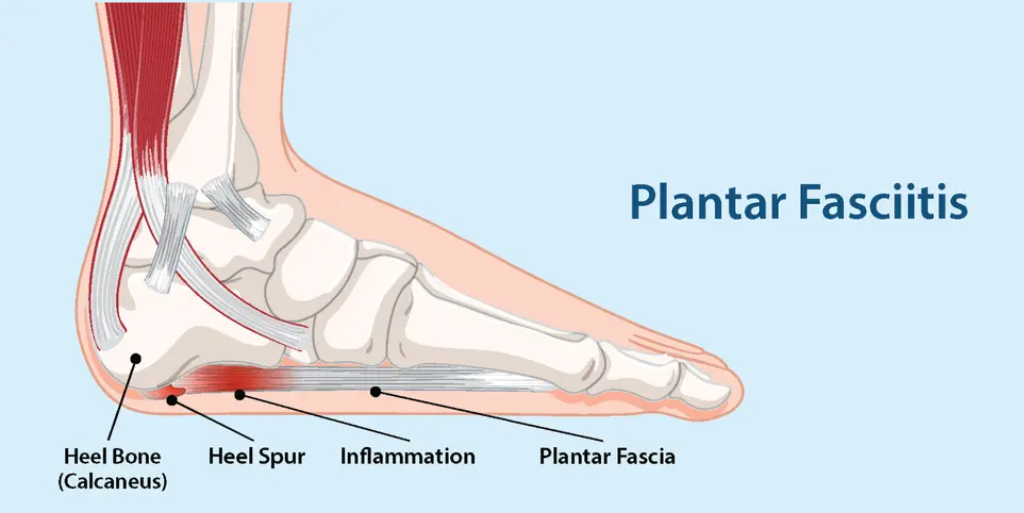
The plantar fascia is a thick band of connective tissue that runs along the bottom of your foot, connecting your heel bone to your toes. Its role is to support the arch of your foot and absorb shock with each step. Plantar fasciitis develops when this tissue becomes irritated or overstressed. Over time, small microtears can form, leading to inflammation, stiffness, and ongoing heel pain.Common Causes
Several factors can increase your risk of developing plantar fasciitis, including:
- Overuse or high-impact activity (running, jumping sports)
- Flat feet or high arches
- Tight calf muscles or Achilles tendon
- Improper footwear that lacks arch support
- Prolonged standing or walking
- Aching, burning, or tingling sensations on the bottom of the foot
- Weight gain, which adds stress to the heel and arch
Typical Symptoms
Most people experience:
- Sharp heel pain, especially with the first steps in the morning
- Pain after long periods of rest
- Pain that worsens after activity, not usually during it
- Tenderness along the bottom of the heel
- Tightness in the arch or calf muscles
- Occasional numbness, tingling, or a “pins and needles” sensation along the bottom of the foot, sometimes more noticeable at night or after lying down
Symptoms usually develop gradually and can worsen if left untreated.
How Physical Therapy Helps Plantar Fasciitis
Physical therapy is one of the most effective non-surgical treatments for plantar fasciitis. At Premier Physical Therapy, your treatment plan may include:
1. Targeted Stretching & Mobility
Focused stretching for the plantar fascia, calves, and Achilles tendon to reduce tension and improve flexibility.
2. Ice Therapy
Applying ice for 15–20 minutes helps reduce inflammation.3. Stretching Exercises
Exercises that strengthen the foot, ankle, and lower leg muscles to improve support and reduce strain on the plantar fascia.
4. Manual Therapy
Hands-on techniques to improve tissue mobility, reduce stiffness, and relieve pain.
5. Gait & Movement Analysis
Assessment of walking and movement patterns to correct mechanics that may be contributing to heel pain.
6. Education & Prevention
Guidance on footwear, activity modification, and home exercises to prevent symptoms from returning.
When to Seek Professional Care
You should consider seeing a physical therapist or medical provider if:
- Pain lasts longer than a few weeks
- Pain is severe or worsening
- Walking becomes difficult or painful
- Pain interferes with daily activities or sleep
- You experience numbness, tingling, or swelling
Early treatment often leads to faster recovery and helps prevent chronic pain.
Multiple Convenient Locations
Premier Physical Therapy offers care close to home with three locations:
Rockwall: 3136 Horizon Rd. Suite 110, Rockwall, TX 75032
Richardson: 1231 E. Belt Line Rd. Suite 102, Richardson, TX 75081
Kaufman: 709 Ed Hall Dr. Suite B, Kaufman, TX 75142